Queue Management System: A 2026 Guide for Saudi Retail
A modern queue management system has become the quiet engine behind great in-store experiences across the Kingdom. Shoppers in Riyadh, Jeddah, and Dammam now expect short waits, clear signage, and a sense that their time is respected. In 2026, the stores winning loyalty are not the ones with the biggest floors but the ones that move people through checkout, service counters, and pickup points with the least friction.
This guide breaks down how line-management technology works, what it costs, and how to choose a platform that fits Saudi retail and quick-service environments. If you only remember one thing, remember this: measured waiting feels shorter than unmeasured waiting, and the right tools turn a chaotic line into a calm, trackable flow.
Why a queue management system matters in 2026
Waiting is emotional before it is operational. Research summarized by the U.S. National Institute of Standards and Technology on service performance shows that perceived fairness and visible progress shape satisfaction as much as raw speed. A ticketing or virtual line gives customers both.
For Saudi brands chasing Vision 2030 service standards, the payoff is concrete. Reduced walkaways, higher staff productivity, and cleaner data on peak hours all flow from a single platform. Partnering with a provider of a queue management system in saudi arabia means your signage, tickets, and dashboards speak Arabic and English out of the box.
The hidden cost of unmanaged lines
Every abandoned basket is lost revenue you never see on a receipt. When lines blur together, staff cannot tell who is next, disputes rise, and your fastest cashiers burn out. A structured flow fixes the root cause rather than the symptom.
Core components of a modern queue management system
Most deployments combine a few predictable parts. Understanding them helps you compare quotes without getting lost in jargon.
- Ticket kiosk or QR check-in: customers join by printed ticket or by scanning a code with their phone.
- Digital signage: screens show the now-serving number and the counter to approach.
- Counter software: staff call, recall, and transfer visitors with one click.
- Analytics dashboard: wait times, service times, and no-show rates by hour.
- SMS or app alerts: virtual queuing lets shoppers browse while they wait.
The best platforms let you start with one branch and scale to a national network without replacing hardware. That modularity protects your 2026 budget and your future roadmap.
How do you choose the right queue management system?
Start with your busiest hour, not your average day. If your platform survives the Thursday-evening rush in a Jeddah mall, it will handle everything else. Ask vendors to demo under realistic load.
Then weigh these practical criteria in order:
- Arabic-first interface for both staff and customer screens.
- Offline resilience so a dropped connection never freezes the line.
- Open integrations with your POS, CRM, and appointment booking.
- Real analytics, not just screenshots, exported to your BI tools.
- Local support with on-site response inside the Kingdom.
Insist on a pilot. A two-week trial in one store reveals more than any slide deck, and it gives your team confidence before a wider rollout.
Queue management versus drive-thru flow
In-branch lines and vehicle lanes share DNA but need different tooling. The table below compares the two so you can brief your provider accurately.
| Factor | In-store queue system | Drive-thru flow |
|---|---|---|
| Check-in | Kiosk ticket or QR | Lane sensor or order point |
| Key metric | Wait time per counter | Order-to-handoff seconds |
| Customer signal | Overhead screen | Confirmation display |
| Peak risk | Crowding at counters | Lane overflow onto road |
| Best upgrade | Virtual SMS queue | Dual-lane timing boards |
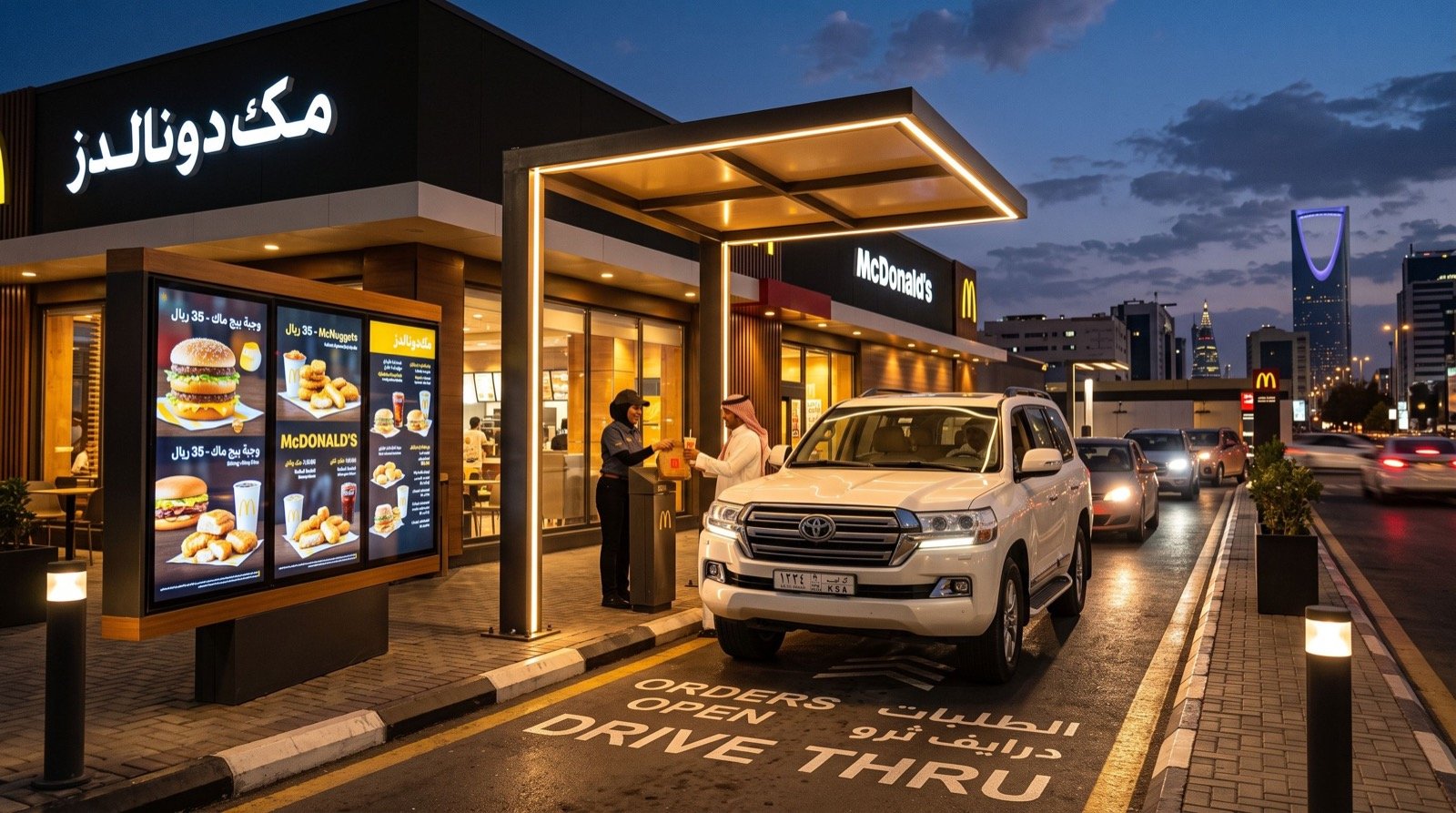
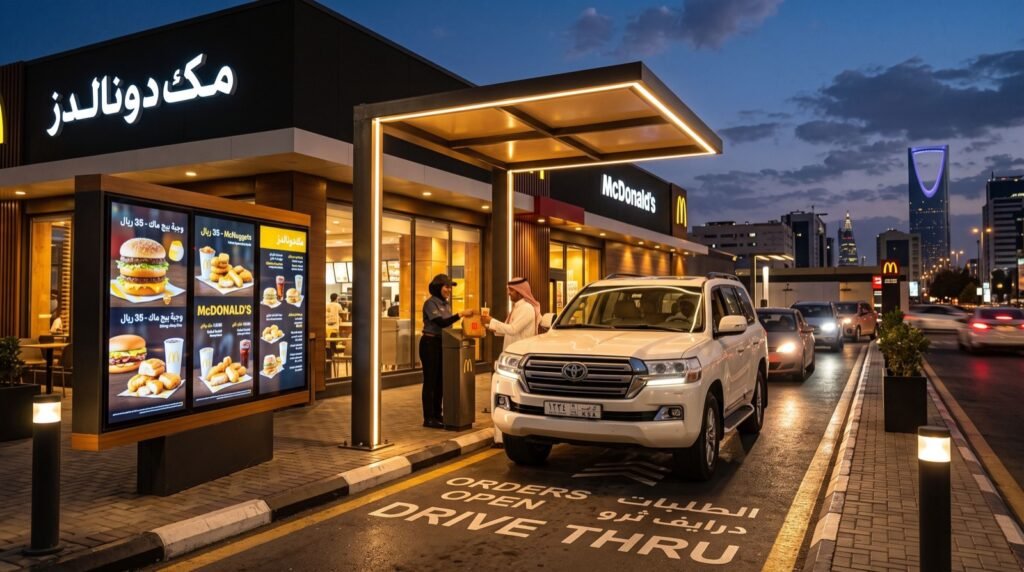
Many Saudi operators run both. A supermarket with a pharmacy counter and a quick-service cafe benefits from unified reporting, and proven Drive Thru Solutions plug neatly into the same analytics backbone.
Barcode scanning speeds the whole line
Faster scanning at the counter shortens every queue behind it. Pairing your line-management setup with reliable hardware from vendors like Honeywell cuts seconds per transaction, and those seconds compound across thousands of daily customers.
Implementation tips from the floor
Rollouts fail on change management, not technology. Train staff on the recall and transfer features first, because those handle the awkward edge cases that frustrate customers. Keep a printed fallback ticket roll for day one.
Place signage at eye level and within three meters of the waiting area. If shoppers cannot read the now-serving number from where they stand, the system loses its calming effect. Small ergonomic choices drive big satisfaction gains.
Finally, review your analytics weekly for the first month. You will spot a mid-afternoon lull where you can schedule restocking, and a predictable surge where one extra cashier pays for itself. For project planning and electrical readiness of new counters, our dependable specialists can advise on power and cabling before install day.
Real numbers from the floor in 2026
Consider a mid-size Riyadh supermarket that switched from an informal line to a ticketed flow this year. Within a month, abandoned baskets at the service counter fell noticeably, and average wait time dropped from roughly eleven minutes to under five during the evening peak.
The bigger surprise was staffing. Instead of adding headcount, the manager used the analytics to shift one cashier from a quiet mid-morning slot to the evening rush. The queue data effectively redesigned the roster, and payroll stayed flat while service improved.
These gains are not magic; they come from visibility. Once you can see exactly where time is lost, you can fix it with small, confident moves rather than expensive guesses. That is the real promise of line-management technology for Saudi retailers.
One practical tip most stores miss
Display the estimated wait time, not just the ticket number. When a shopper sees “about four minutes,” their patience extends dramatically, because the uncertainty that fuels frustration disappears. This single setting often lifts satisfaction scores more than any hardware upgrade.
Frequently Asked Questions
How long does it take to install a queue management system?
A single branch is usually live within one to three days, including signage mounting and staff training. Multi-site rollouts are phased, and most vendors complete a regional network inside a few weeks in 2026.
Can customers wait without standing in a physical line?
Yes. Virtual queuing issues a mobile ticket and sends an SMS or app alert when the turn approaches, so shoppers browse or sit nearby instead of crowding a counter.
Does a queue management system work for banks and clinics too?
Absolutely. Banks, clinics, and government service centers across Saudi Arabia use the same ticketing and analytics model, often with appointment booking layered on top for scheduled visits.
What metrics should I track first?
Start with average wait time, average service time, and no-show rate. Together they reveal whether you have a staffing problem, a layout problem, or a demand-forecasting problem.
Final thoughts and next steps
A well-chosen queue management system turns one of retail’s oldest headaches into a measurable, improvable process. In 2026, Saudi shoppers reward brands that respect their time, and the data you gather becomes a roadmap for smarter staffing and happier customers.
Ready to shorten your lines and lift satisfaction scores? Book a pilot in your busiest branch, measure the before-and-after, and let the numbers make your case. Start the conversation with a trusted local provider today.