Ambient Storage on a Budget: 6 Ways Businesses Cut Warehousing Costs in 2026
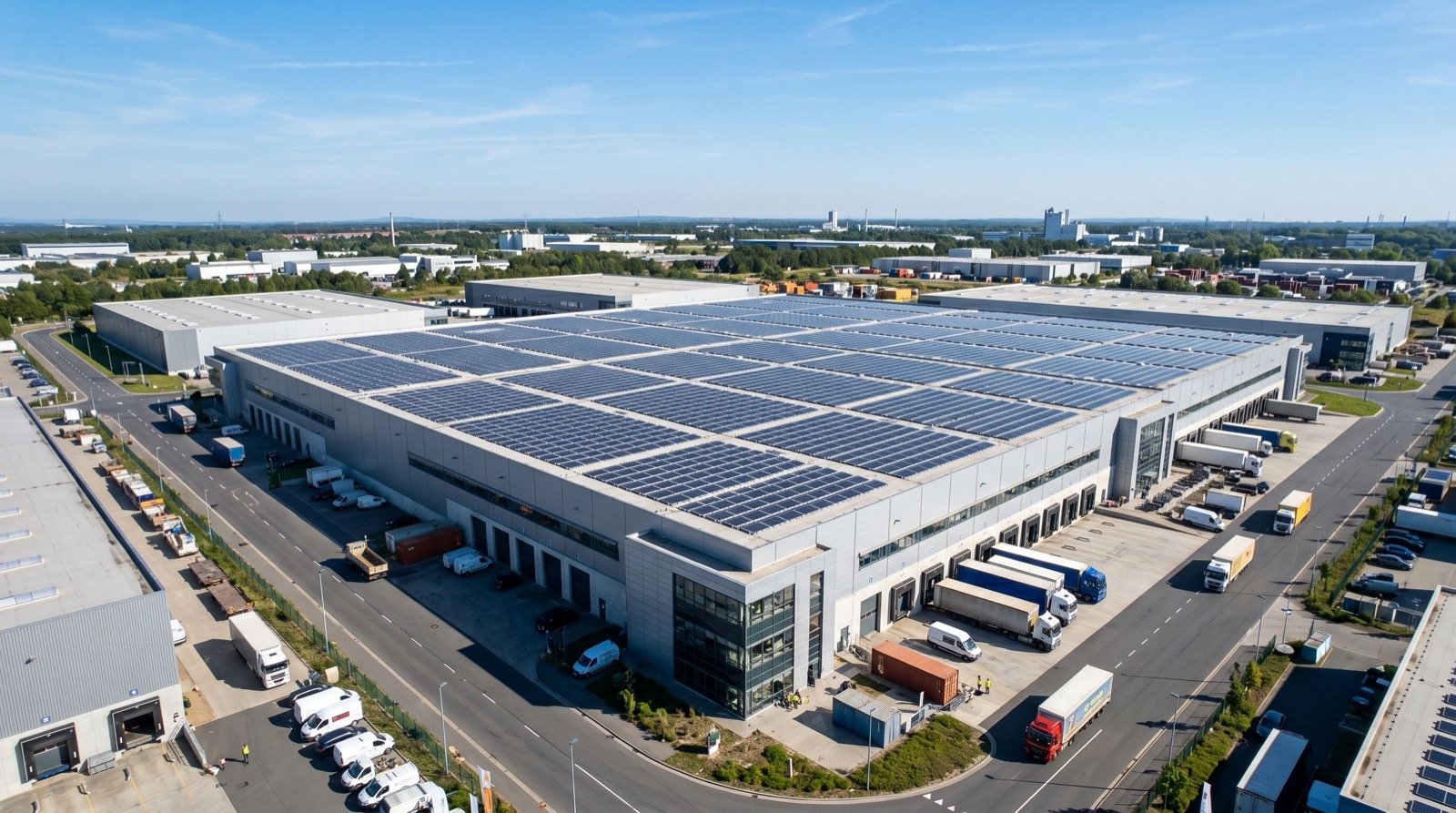
Warehousing eats into margins faster than most owners realise, and ambient storage is the single biggest lever for controlling that spend. Ambient storage holds goods at ordinary room temperature without refrigeration, so it avoids the constant energy bills that make cold rooms so expensive. Used wisely, it can shave a meaningful percentage off your annual logistics budget while keeping stock perfectly safe.
This article takes a cost-first view. Rather than listing storage types in the abstract, it walks through six concrete tactics that reduce warehousing spend, the trade-offs behind each, and how a growing business can right-size its space instead of overpaying for cooling it never needed.
Why Ambient Storage Is a Cost-Saver, Not a Compromise
There is a myth that cheaper storage means riskier storage. For the many products that are genuinely shelf-stable, the opposite is true: paying to refrigerate them is pure waste. Ambient storage removes compressor energy costs, reduces maintenance, and still keeps dry goods in saleable condition for months.
The savings are structural, not seasonal. Because there is no refrigeration running twenty-four hours a day, ambient facilities carry lower overheads that they can pass on to tenants. That is why matching each product to its cheapest safe zone is the foundation of lean warehousing.
How Much Can Ambient Storage Really Save?
Refrigeration is energy-hungry. The U.S. Department of Energy notes that cooling and refrigeration are among the largest electricity consumers in commercial buildings, so eliminating unnecessary cooling directly lowers operating cost. For a mixed catalogue, moving every shelf-stable line into Ambient Storage and reserving cold space only for perishables often produces the fastest, most durable savings on the whole logistics budget.
Six Tactics to Trim Your Warehousing Bill
The tactics below stack together. Apply them in order and you will usually find double-digit percentage savings without touching product quality.
- Audit SKUs and reclassify any wrongly refrigerated shelf-stable goods to ambient.
- Right-size your contracted space to real cubic-metre usage, not peak guesses.
- Improve vertical racking to store more in the same footprint.
- Adopt first-in, first-out rotation to cut write-offs from expired stock.
- Consolidate suppliers and deliveries to reduce handling and dock time.
- Negotiate flexible terms so you can scale space up and down seasonally.
Right-sizing matters most in humid coastal cities where poor conditions cause spoilage. Businesses seeking well-managed Dry Storage in Jeddah gain both moisture control and the flexibility to expand only when demand justifies it, avoiding the trap of paying for empty shelving all year.
Where Do Hidden Warehousing Costs Come From?
The line item on your invoice is only part of the picture. Hidden costs hide in spoilage, over-contracted space, slow stock rotation, excessive handling, and emergency shipments to cover stockouts. Fixing these operational leaks often saves more than renegotiating the rent itself.
Comparing Storage Options by Cost and Fit
Use the table below to decide where each part of your catalogue belongs. The cheapest safe option is almost always the right one.
| Storage Type | Relative Monthly Cost | Best Used For | Main Saving Opportunity |
|---|---|---|---|
| Ambient | Lowest | Dry, shelf-stable goods | No refrigeration overhead |
| Dry (managed humidity) | Low | Moisture-sensitive dry goods | Fewer spoilage write-offs |
| Chilled | Medium | Fresh perishables | Reserve only for true perishables |
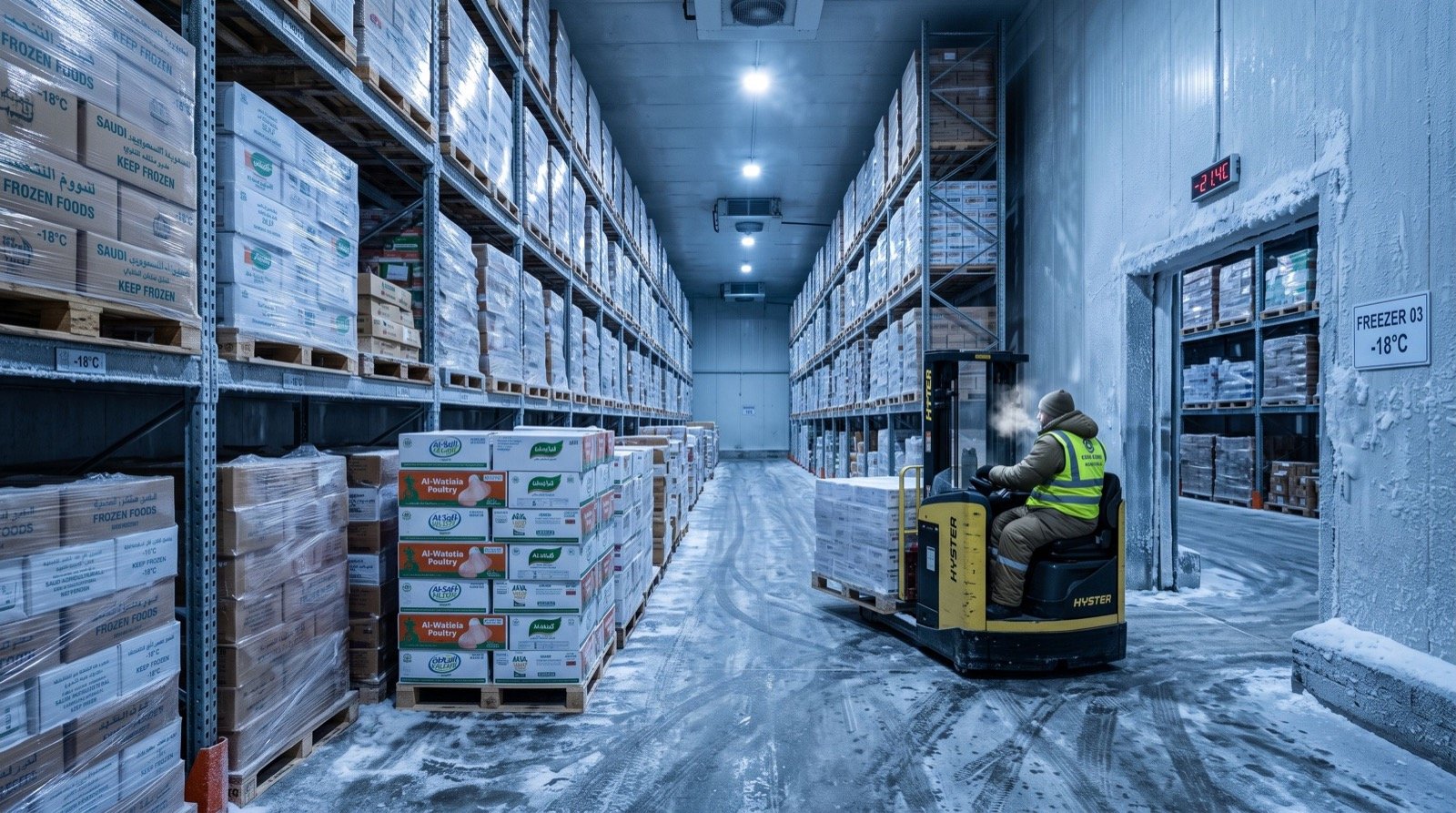
| Frozen | Highest | Deep-frozen products | Consolidate to minimise volume |
Seasonality: The Overlooked Lever
Demand rarely stays flat, yet many businesses pay for peak-season space all year. Flexible ambient contracts let you expand before a busy period and contract afterwards, so you only fund the shelving you actually fill. This alone can reshape an annual budget.
- Forecast demand by month rather than assuming a constant level.
- Negotiate short-notice scaling clauses into your agreement.
- Use overflow ambient space for promotional bulk buys.
- Return unused capacity promptly once a peak passes.
Getting these contracts right takes negotiating know-how, which is why many owners lean on reputable service experts to benchmark rates and structure flexible terms. A well-negotiated agreement can outperform months of internal cost-cutting elsewhere.
When you benchmark, look past the headline rate per pallet. Ask about minimum-term commitments, charges for handling and pick-and-pack, and whether scaling down triggers penalties. A provider that seems slightly pricier per square metre can be far cheaper overall once flexibility and low spoilage are factored in.
How Do I Build a Simple Cost-Saving Plan?
Start small and measure everything. Pick one warehouse, run a full SKU audit, and record your baseline monthly spend before making changes. Then reclassify products, right-size the space, and tighten rotation over a single quarter. Compare the new spend against your baseline, and the winning tactics will be obvious. Roll those proven changes out to the rest of the operation rather than trying to fix every site at once, which keeps disruption low and results measurable.
Does Cheaper Storage Mean Higher Spoilage Risk?
Only if you place products in the wrong zone. Ambient storage is not risky for shelf-stable goods; it is simply appropriate. The risk appears when a perishable is left in ambient conditions, which is why disciplined SKU classification is the safeguard that lets you save money confidently.
Frequently Asked Questions
Is ambient storage suitable for all products?
No. Ambient storage suits dry, shelf-stable goods that do not require cooling. Perishables such as dairy, fresh meat, and frozen items still need chilled or frozen space. The savings come from correctly identifying which products are genuinely shelf-stable.
How do I know if I am overpaying for cold storage?
Review your inventory for products sitting in refrigerated space that carry no chilled or frozen requirement. Any shelf-stable item in a cold room is a candidate to move to ambient storage, cutting energy-driven costs with no quality downside.
Can I scale storage space up and down through the year?
Yes, if your contract allows it. Flexible agreements let you add capacity for peak demand and release it afterward, so you avoid paying for empty shelving. Negotiate scaling terms before signing to lock in this saving.
What is the fastest way to cut warehousing costs?
Start with an SKU audit. Reclassifying wrongly refrigerated goods to ambient storage and right-sizing your contracted space usually deliver the quickest, largest savings before you touch anything else in the operation.
Conclusion: Match Every Product to Its Cheapest Safe Zone
Cutting warehousing costs is not about accepting worse conditions; it is about matching each product to its cheapest safe zone. Lean on ambient storage for everything shelf-stable, manage humidity where it matters, and reserve costly cooling strictly for true perishables. Combine that discipline with right-sized, seasonal contracts and you will protect both product quality and profit in 2026. Begin with an SKU audit this week and let the savings compound from there.